What Ontario winters actually do to a façade
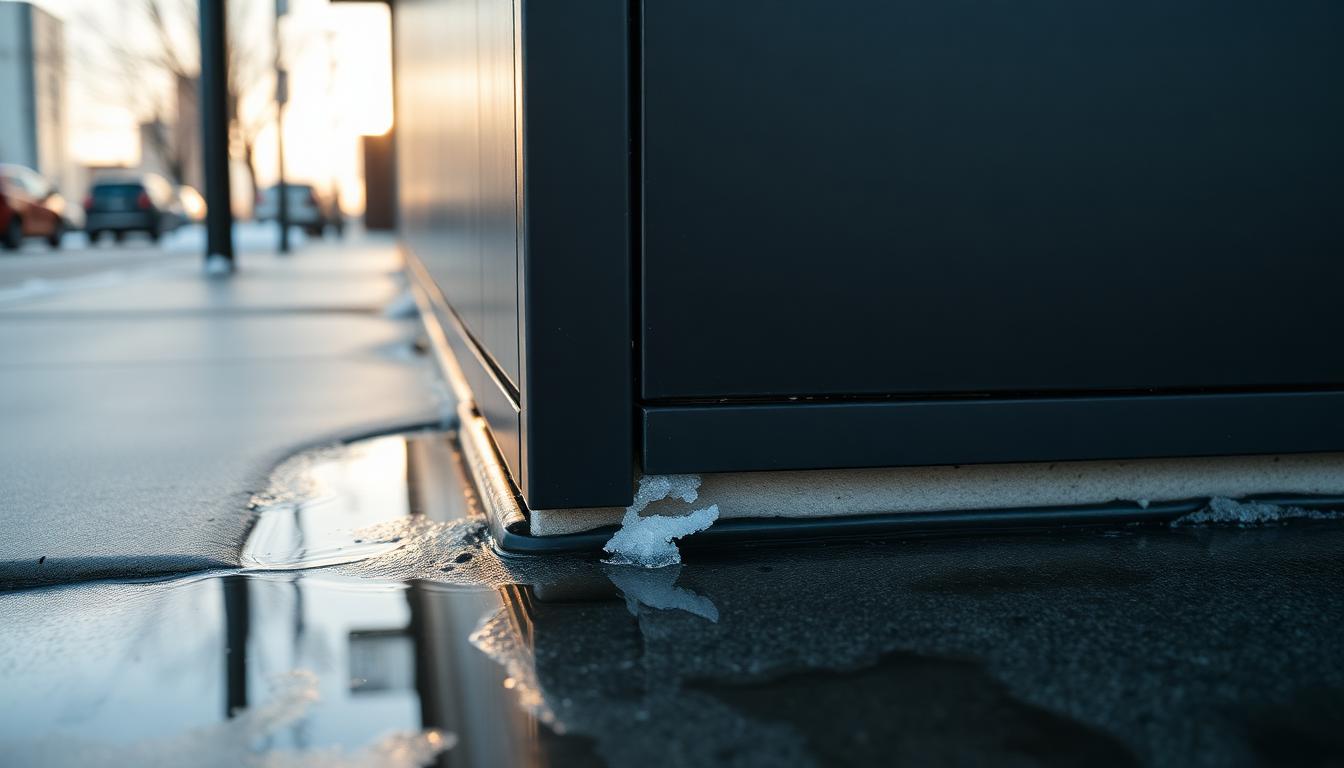
A typical GTA winter runs 50 to 80 freeze-thaw cycles, depending on the year and the elevation's sun exposure. Add road-salt aerosol near arterial streets and highway-adjacent sites, ice dams and snow loading on north elevations, and the UV spike after snowmelt when the angle of the sun is still low. Cladding assemblies get worked on hard between November and April.
The good news: modern cladding systems are designed with these stresses in mind. The bad news: not every system weathers them the same way, and a small maintenance miss in year three often becomes a visible failure in year ten.
What tends to break, by material
A rough summary of the vulnerabilities we see most often during post-winter walks:
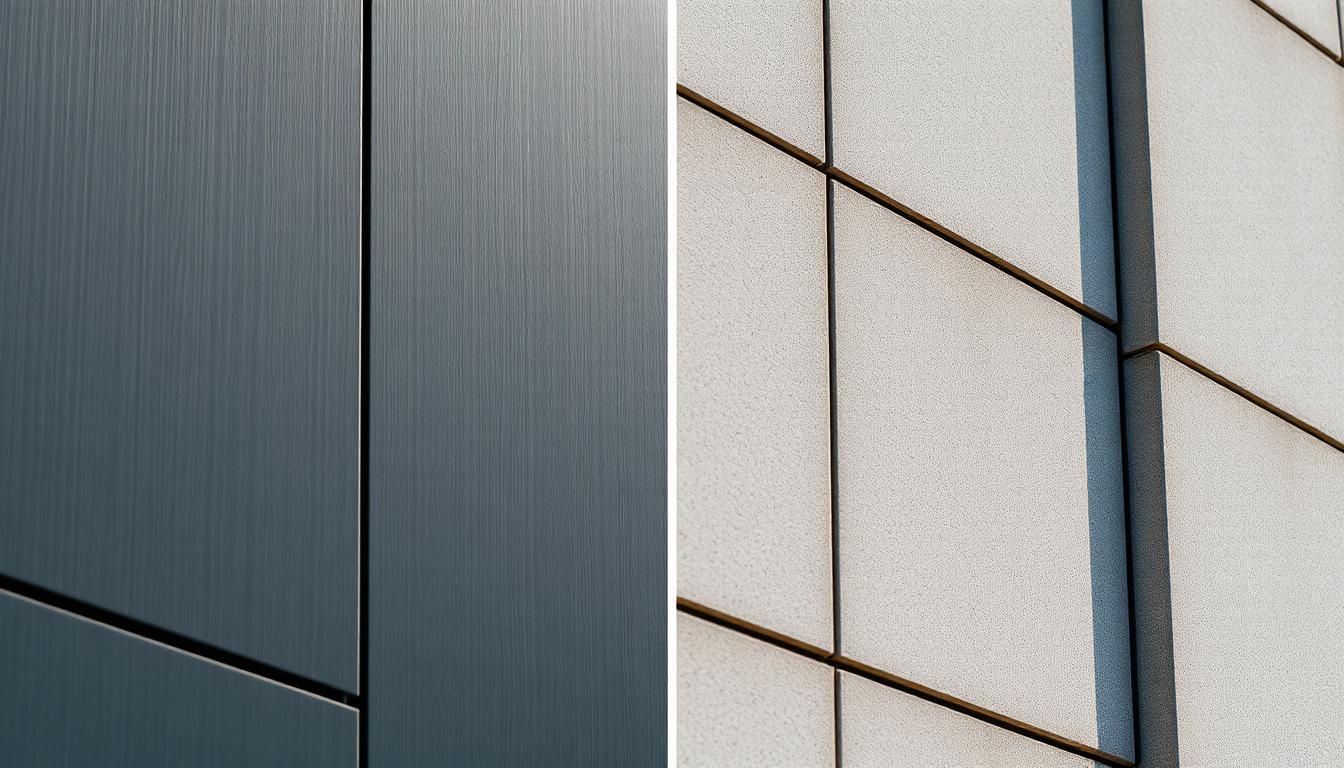
- Aluminum composite (ACM): Mostly the sealants and fasteners, not the panels. Panel finishes hold up for decades; the joint sealant degrades sooner, especially on south- and west-facing elevations that get more UV.
- Aluminum siding and plate: Coatings are robust, but impact damage from ice falling or physical contact at grade can chip the factory finish. Look at the bottom metre of the building.
- Wood siding: Freeze-thaw doesn't hurt cedar, but UV and moisture cycling do. Oil finishes need refresh every 3–5 years depending on exposure. Expect greying on unmaintained faces.
- Wood plastic composite (WPC): Essentially bulletproof through Ontario winters. Occasional washing is usually all it needs.
- Fiber cement: The boards themselves are extremely stable. Watch for sealant failure at panel edges and, on painted finishes, minor cracking at exposed fastener heads.
- Cassette panel systems: Concealed clips stay dry and last. The concealed joints behind the panel face can trap debris or moisture if flashing isn't right — that's an installation problem, not a maintenance problem, but it shows up years later.
- Standing seam: Snow slide damage at the eaves if snow guards weren't installed. End closures and flashings at wall-to-roof transitions deserve annual inspection.
The annual walk
One walk-through a year handles 90% of what your envelope needs. Schedule it for early spring, after the snow is gone and before trees leaf out. Look for:
- Visible sealant cracks or separation, especially at horizontal joints, panel edges, window perimeters, and transitions.
- Corrosion at exposed fasteners or at the bottom termination.
- Ice-damage scars — dents, scratches, missing coating — usually at the eave drip line or at snow-piling zones.
- Panels out of alignment — bowing, moving, or showing daylight where they shouldn't.
- Salt residue concentration at the base. Washing this off matters more than people realise.
- Debris in the rainscreen cavity at weep points.
Ideally, the cladding contractor who installed the envelope is the one walking it. They know what the assembly is, where the weak points were at install, and what "normal wear" looks like for that specific project.
Staging the maintenance by urgency
- Immediate: Any sign of water infiltration (interior staining, visible moisture). Loose panels. Impact-damaged flashings. These don't wait.
- Annual: Visual walk, sealant inspection, washing if the site gets salt exposure.
- Every 3–5 years: Wood re-oiling. Targeted sealant replacement on elevations that have degraded.
- Every 10–15 years: Full joint sealant replacement. Coating touch-up on impact-damaged areas. Fastener inspection and replacement where corrosion has started.
None of this is unusual. What creates problems is deferring the annual walk for three or four years, then discovering a sealant failure that let water into the cavity during that whole window.
What doesn't need maintenance
It's worth knowing what you can leave alone. Modern ACM finishes with a PVDF coating carry 20-year finish warranties and typically outperform them. WPC colour is stable. Fiber cement dimensional performance is near-bulletproof. Zinc and copper cassette systems weather gracefully and don't need intervention for decades.
The materials aren't the problem. The seams between materials — and the degradation of the stuff that seals those seams — are where maintenance attention needs to go.
The short version
Know what your assembly is. Walk it once a year, in early spring. Fix sealant failures early. If the same problem comes back twice, figure out why — don't just re-seal it. And pick a cladding contractor, at the start of the project, who'll still be around to come back five winters later.